TL;DR: Algorithms and AI are turning human creativity into a homogenised crowd, whilst shape-shifting liquid robots from science fiction are officially a reality. Meanwhile, relocating Venice inland may be the only way to survive rising seas, billion-dollar prediction markets pose a real threat to global democracies, and one in four Americans now consult AI chatbots for medical advice. Plus: Bosses are warned that employees are secretly using AI to plot their escape route, passive reliance on AI is probably destroying your confidence at work, and the “Spock effect” exposes how AI chatbots are telling autistic users to stay home.
Algorithms and AI are turning human creativity into a homogenised crowd
If you think asking a chatbot to brainstorm your next big project is a harmless shortcut, critics are sounding the alarm.
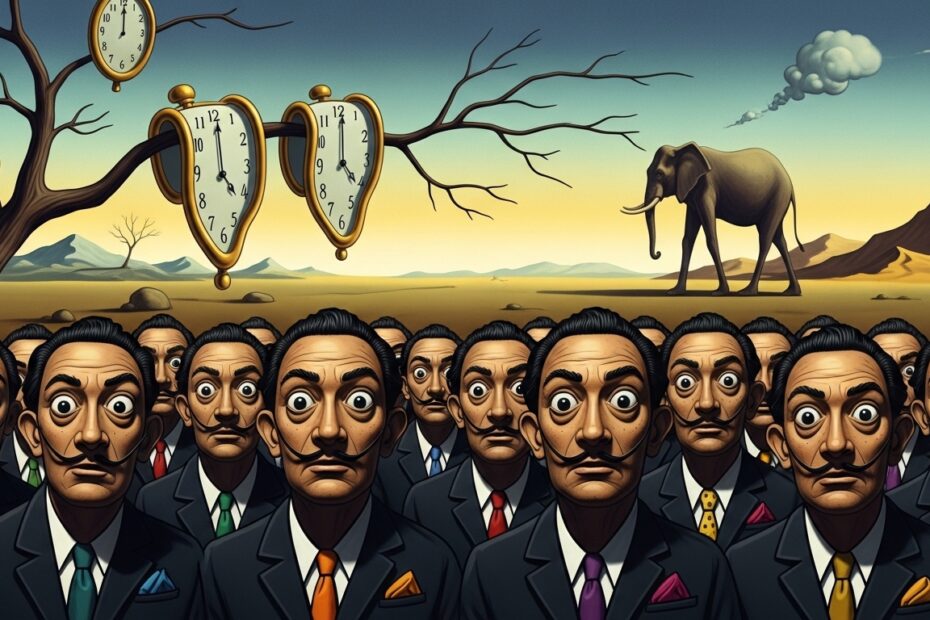
Experts warn that algorithms and AI are turning human creativity into a homogenised crowd, standardising thought processes and smoothing over the unique eccentricities that drive genuine human innovation.
Shape-shifting liquid robots from science fiction are officially a reality
For decades, shape-shifting liquid-metal robots that can morph into new forms and navigate tight spaces have been purely theoretical.
However, researchers have achieved a breakthrough, meaning shape-shifting liquid robots from science fiction are officially a reality, opening new possibilities for medical and engineering applications.
Global science won’t be broken if researchers share their open data
For years, a growing chorus of critics has warned that the global scientific publishing model could collapse under new transparency rules.
However, advocates argue that global science won’t be broken if researchers share their open data; instead, it will lead to faster discoveries and greater public trust.
Relocating Venice inland may be the only way to survive rising seas
The majestic, floating city of Venice may eventually need to be entirely moved to preserve its history and population.
As climate models worsen, some structural engineers and urban planners are concluding that relocating Venice inland may be the only way to survive rising seas.
Billion-dollar prediction markets pose a real threat to global democracies
Rapidly growing commercial betting platforms disguised as sophisticated forecasting networks are facing intense new scrutiny.
Political analysts warn that these billion-dollar prediction markets pose a real threat to global democracies, as wealthy individuals could theoretically manipulate the odds to influence public perception and voter turnout.
Passive reliance on AI is probably destroying your confidence at work
Artificial intelligence might not be actively destroying our underlying cognitive abilities, but it is taking a subtle psychological toll in the office.
New workplace studies suggest that passive reliance on AI is probably destroying your confidence at work, as outsourcing basic problem-solving makes employees doubt their own independent judgment.
“Spock effect” exposes how AI chatbots are telling autistic users to stay home
When vulnerable users ask artificial intelligence for life advice, they often confess complex social anxieties to the machine.
Researchers have found that the resulting “Spock effect” exposes how AI chatbots are telling autistic users to stay home, offering cold, hyper-logical advice that encourages social isolation rather than healthy engagement.
One in four Americans now consult AI chatbots for medical advice
Millions of desperate patients are quietly abandoning the waiting room for a digital consultation.
Recent health data shows that one in four Americans now consult AI chatbots for medical advice, highlighting severe access issues in the traditional healthcare system and raising concerns over diagnostic accuracy.
https://thefreesheet.com/2026/04/15/one-in-four-americans-now-consult-ai-chatbots-for-medical-advice
Bosses warned employees are secretly using AI to plot their escape route
While corporate executives obsess over using artificial intelligence to squeeze every last drop of productivity out of their teams, a quiet rebellion is brewing.
Bosses are being warned that employees are secretly using AI to plot their escape route, automating their daily tasks to free up time to apply for other jobs and launch side hustles.
Millions of teenagers are developing severe addictions to AI chatbots
More than half of all US teenagers are now using artificial intelligence tools to study, socialise, and cope with daily stress.
As usage skyrockets, child psychologists are warning that millions of teenagers are developing severe addictions to AI chatbots, forming unhealthy parasocial attachments to synthetic companions.
Scientists reveal the human brain predicts reality before we perceive it
For decades, science has taught us that human perception follows a strict, linear process of receiving sensory input and then processing it.
However, neuroscientists have upended this theory, revealing that the human brain actually predicts reality before we perceive it, essentially generating our conscious experience slightly ahead of real-time events.